
During National Reconciliation Week, ACEN Australia recognises the importance of listening, learning and acting in ways that are grounded in genuine partnership. A key part of this work is ACEN’s Reconciliation Action Plan (RAP) Working Group bringing together Aboriginal leaders from across the country to guide how we deliver our commitments in practice.
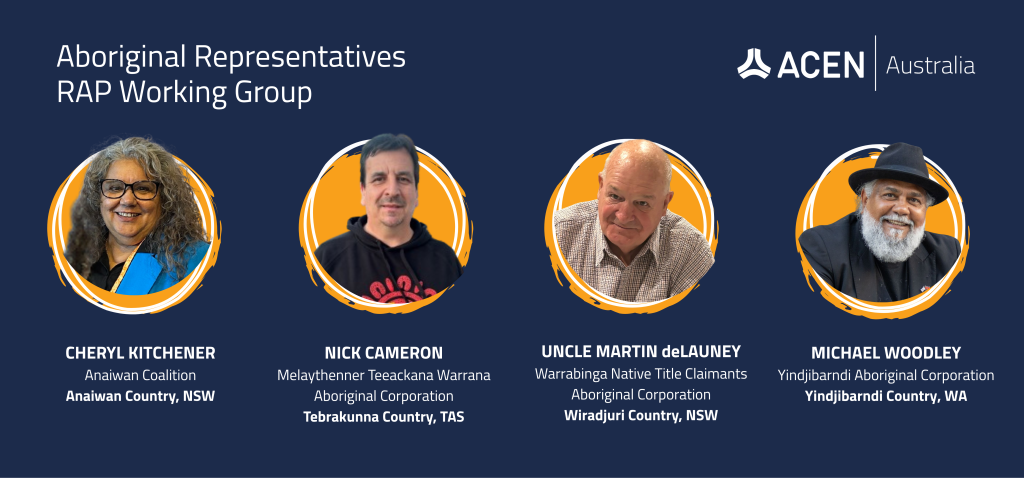
The Working Group reflects the national footprint of ACEN’s projects, with representatives from Anaiwan (NSW), Wiradjuri (NSW), Yindjibarndi (WA) and Tebrakunna (TAS) Country. Members Cheryl Kitchener, Uncle Martin de Launey, Nick Cameron and Michael Woodley (Yindjibarndi Nation) provide independent, culturally grounded guidance to ACEN as we progress our RAP journey.
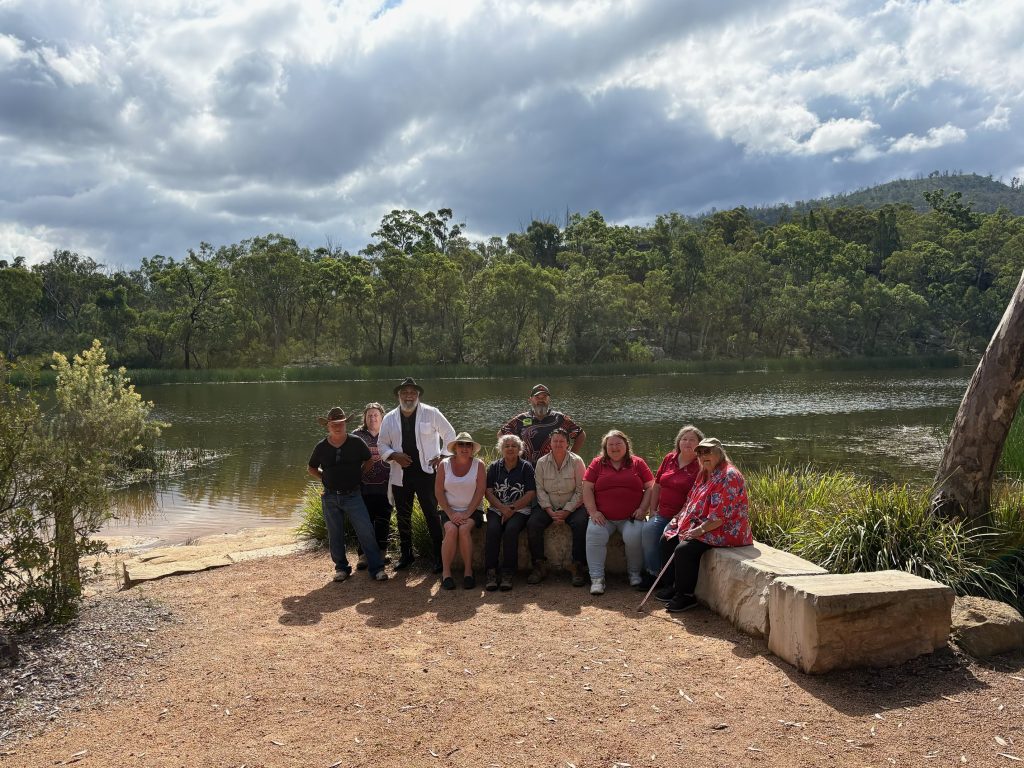
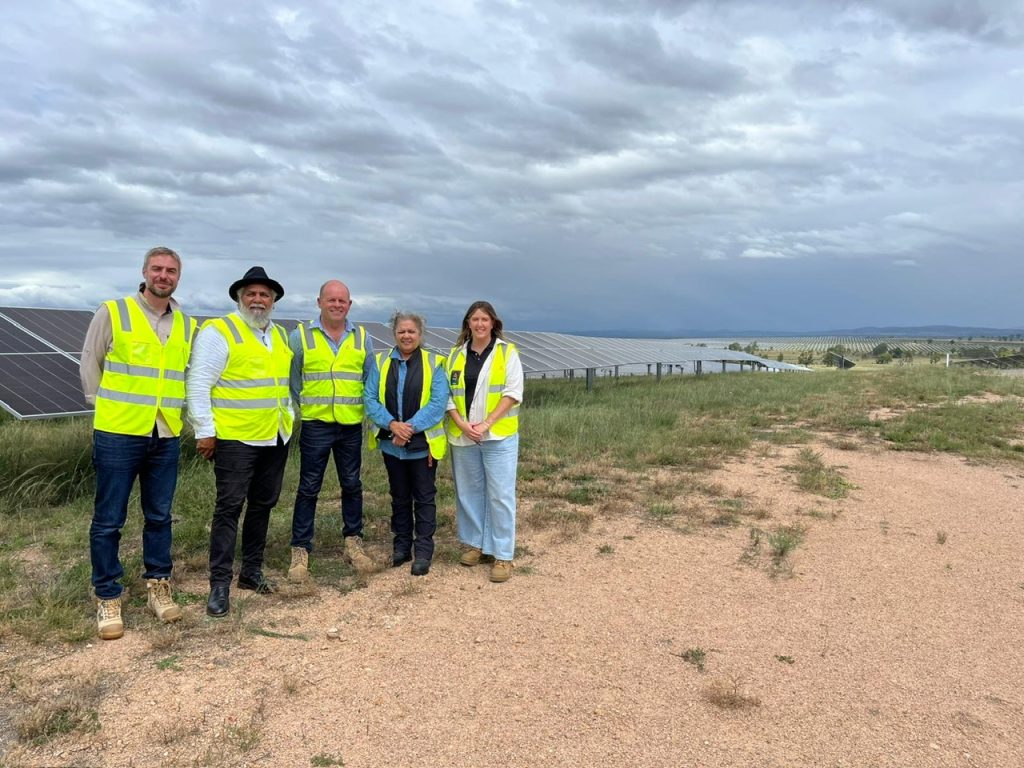
Earlier this year, the Working Group came together on Wiradjuri Ngurambang (Country) for an on‑Country gathering. The discussions focused on priorities that are central to renewable energy development and operations. Building culturally safe workplaces, establishing realistic employment pathways, strengthening procurement relationships with First Nations businesses, and supporting practical, community‑led social investment.
Importantly, time on Country included space for Working Group members to be together without ACEN present – recognising the importance of cultural authority, trust and relationship‑building on their own terms. This work continues later this year, with the next on‑Country gathering to be hosted by Nick Cameron and the Melaythenner Teeackana Warrana Aboriginal Corporation on Tebrakunna Country in Tasmania.
Reconciliation requires consistency, openness and a willingness to listen. The RAP Working Group plays a critical role in ensuring ACEN’s approach is guided by Aboriginal voices across the full lifecycle of our projects.