
At ACEN Australia, building renewable energy projects is only part of the story. Equally important is how these assets are operated day to day.
Across both the Stubbo Solar and New England Solar (Stage 1) sites, ACEN Australia is taking practical steps to reduce operational emissions by integrating cleaner technologies and infrastructure directly into site operations.
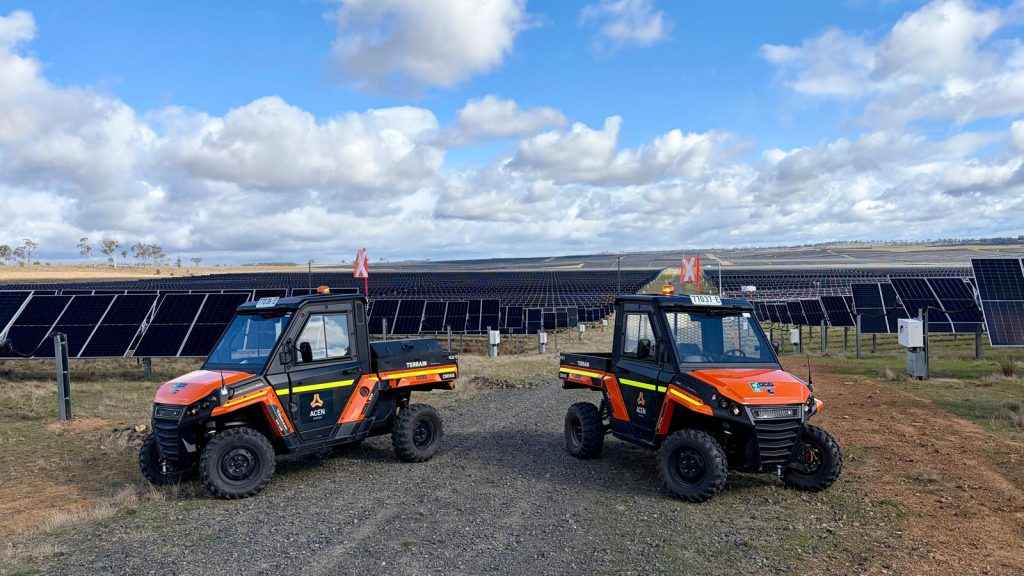
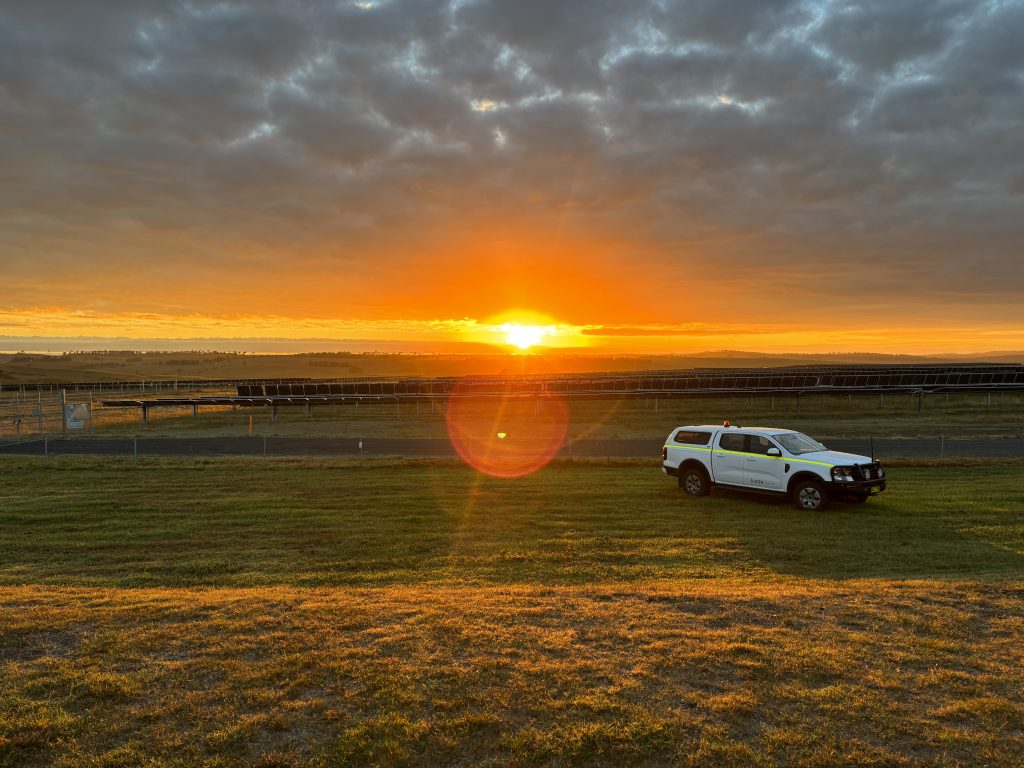
At New England Solar, three electric Corvus utility vehicles are now in use, supporting on-site activities with zero tailpipe emissions. The site has also introduced a plug-in hybrid electric (PHEV) ute, providing a lower-emissions alternative while maintaining operational flexibility.
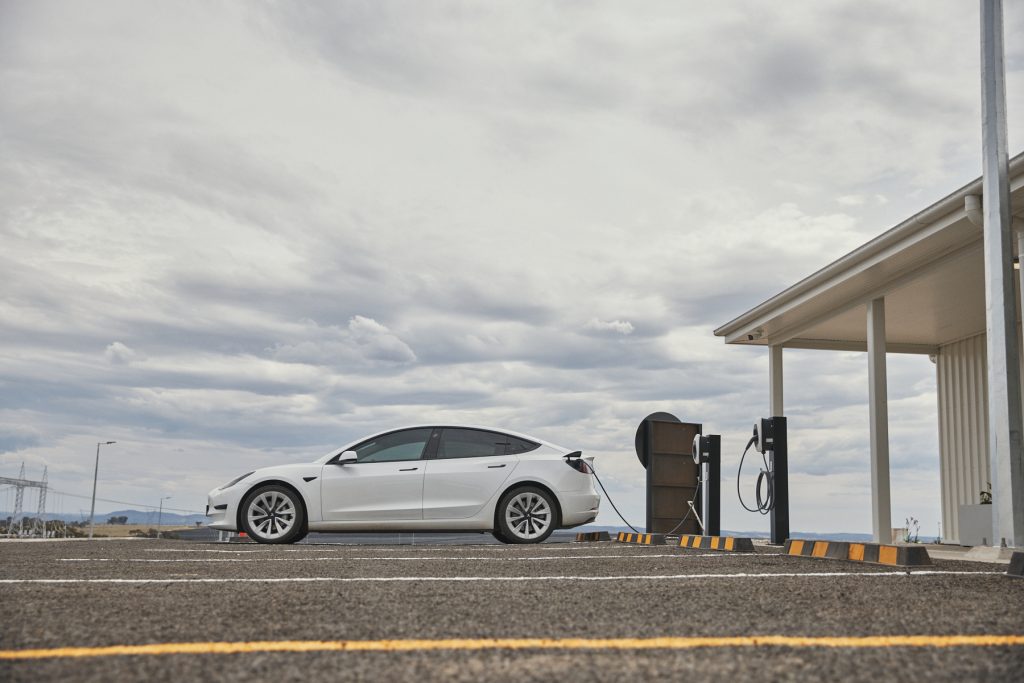
At Stubbo Solar, an electric vehicle charging station has been installed, supporting the transition to electric transport and enabling further integration of EVs into daily operations.
Both Stubbo Solar and New England Solar are also powered in part by rooftop solar installed on their operations warehouses—ensuring that the energy used on site increasingly reflects the clean energy these projects generate for the grid.
These initiatives represent a broader, ongoing effort to identify and implement opportunities to replace diesel-powered equipment with lower-emissions alternatives wherever practical. From electric vehicles to on-site renewable generation, the focus remains on reducing the carbon footprint of operations in tangible, measurable ways.
This approach reflects ACEN Australia’s commitment to supporting the energy transition not only through the projects it develops, but through the way those projects are run.